

India is a land of cultures, traditions, and people who have always enjoyed narrating tales, have passed them down to future generations. Whether it’s Indian traditional art, festivals or identity, the dynamic forms of these paintings create compelling stories that help us visualize our rich history, mythology and the excellent craftsmanship of artists across centuries. Creators in the digital era are attempting to bring back the cultural stories, but with a modern twist. While celebrating originality is non-negotiable, an ideal way to tell stories of the past in a tech-driven world is to blend the traditional with the modern.
In this blog, you’ll discover:
What is Indian Folk Art Painting?
- A glimpse into the Indian Folk Art and the major themes it celebrates.
Importance of Reviving Indian Culture in a Contemporary Art Scene:
- A description of the challenges faced by the country’s traditional artworks and the importance of reviving them in modern times.
How to Narrate Indian Cultural Stories Through Artworks?
- Deep dive into the major themes of Indian folklore art, the festival art of India and the indigenous identity of painters.
Styles and Techniques of Indian Cultural Paintings
- A brief overview of the common styles of artworks that artists can use for cultural storytelling.
How Contemporary Artists Can Reinvoke Interest in Indian Cultural Artworks?
- Insightful ways for an artist to promote the country’s traditional creative heritage.
What is Indian Folk Art Painting?
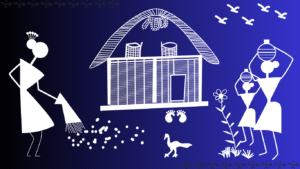
When we think of cave paintings, the picture that comes to mind are scenes of hunting and daily life. With evolution, as religion and culture became the epicenter of Indian society, artworks increasingly leaned towards these themes, which eventually shaped into Indian folk art painting.
Whether it’s Madhubani painting, Warli art or Gond paintings of India, they all have one thing in common. These artworks are rooted in the rituals and traditions of their tribal communities that came to be identified with them.
So, beyond folklore or festivals, Indian traditional art is an identity of the indigenous society that speaks voluminously about customs, rituals, mythology and their relationship with nature.
Folk artists were not trained professionally, and painting themes from traditions and customs was not simply a skill, but a heritage co-existing with the simplicity and originality of the folk tribe.
Importance of Reviving Indian Culture in a Contemporary Artwork Scene
Folk painting in India is nearing extinction because of many reasons. So, let’s discover the factors that are contributing to the downfall of our cultural expression, as unless we get to the root of the problem or have enough awareness regarding our identity, we will not be able to realize the importance of reviving Indian folklore art.
- Modernization: Change is the only constant, and with modernization, there is a huge shift in our lifestyle and choices. We are drawn to innovation and technological development, which has eclipsed the old and outdated traditions of the past, including the culturally rich folk artworks.
- Lack of Patronage: In a world of contemporary creative culture, the younger generation is interested in investing towards modern forms of entertainment, and in the process, they end up overlooking the traditional folk arts. The economic marginalization of folk artists, lack of encouragement and patronage, adds to their struggle in keeping the traditional artistic forms of India alive
- Industrialization:
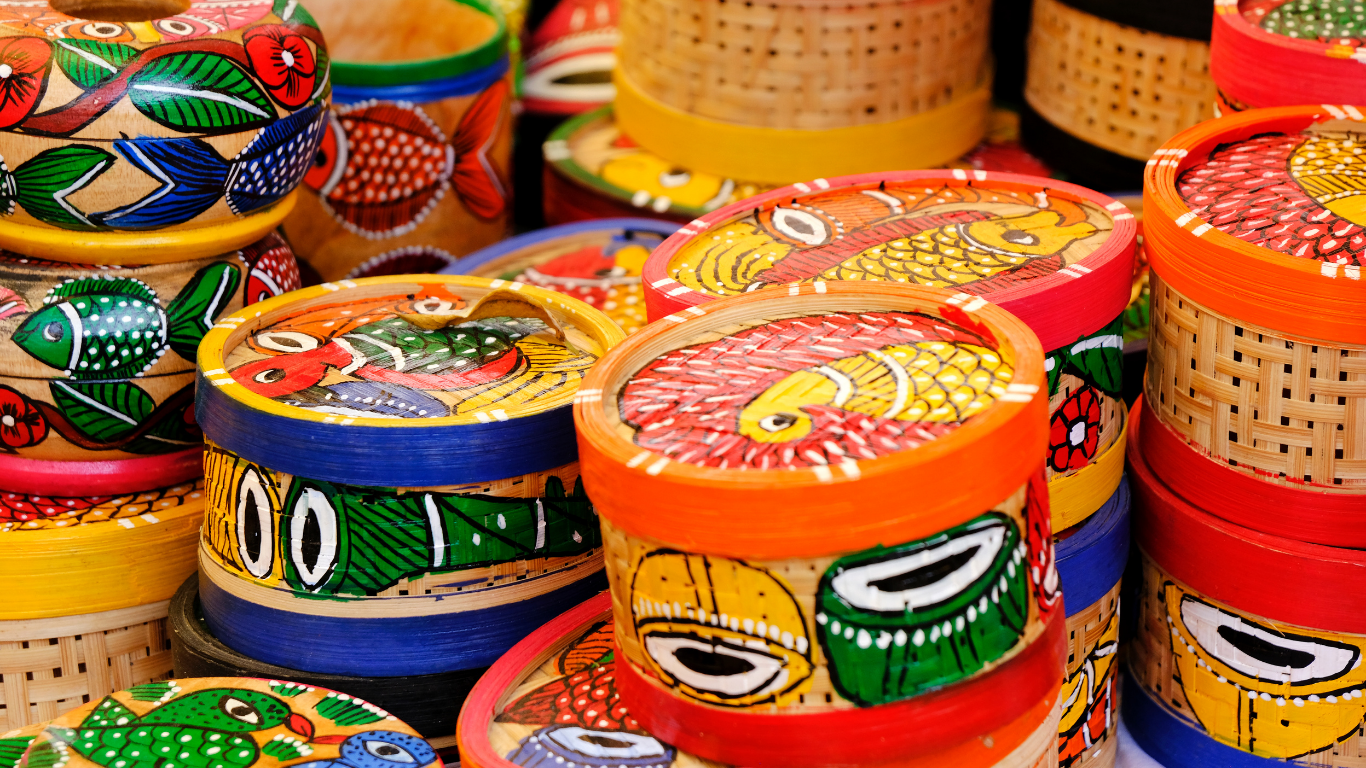 As modern technology has taken over the world, the need for handcrafted goods has declined. Machines produce goods in bulk, making them readily available for consumers. The high competition and demand in the Indian markets are centered on promoting branded products, which has made surviving as a folk artist a major challenge.
To preserve the past and channel it into the present and the future, a renewed interest in folk painting is extremely necessary. Apart from folk paintings, artworks that highlight festive moments have also become rare and limited to a handful of Indian homes. Before the Indian cultural art passes into oblivion, it’s important to intervene by bringing it back into popular view.
How to Narrate Indian Cultural Stories Through Artworks?
What are the ways through which we can retell the cultural stories in artworks? Our cultural stories are not limited to folk art painting but also celebrate themes of India’s festivals and identity. So, let’s explore each one in detail:
Folk Art Storytelling
Folklore artworks mostly narrate tales from Hindu mythology.
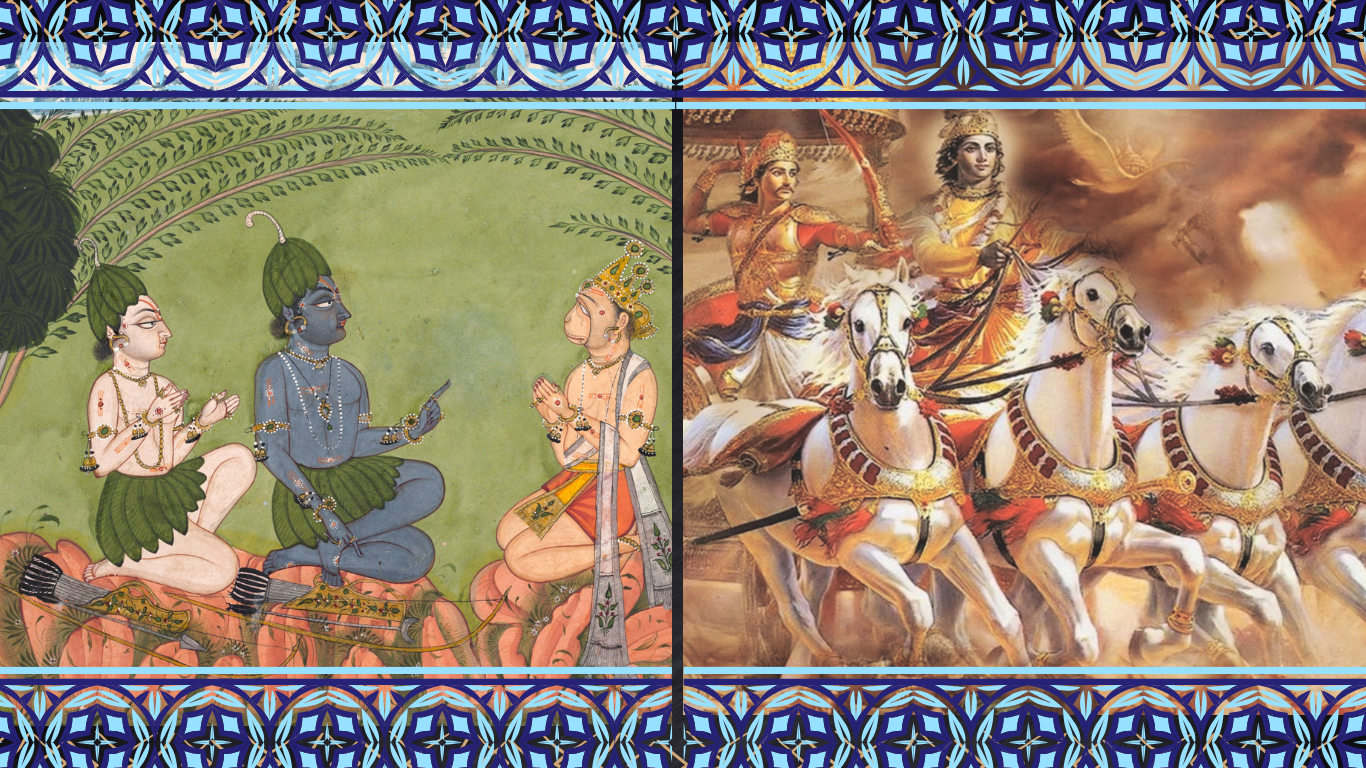
Whether it’s the epic Ramayana or Mahabharata, our folk traditions celebrate these themes in diverse ways. To revive those cultural stories, an artist can introduce famous mythology tales and legends.
For example, Madhubani paintings mostly depict deities and scenes from the India’s epics and are today also a part of celebrations in some Indian households.
Other than the Indian epics, tribal artworks also narrate tales of nature. Indian folk artists were deeply connected with their environment, and their creations were replete with images of flora and fauna.
Mythical stories of the tribal community were a part of Indian folk painting, and a contemporary artist can represent these stories in rich detail and patterns like the Bhil paintings of Central India.
Indian Festivals
A good harvest and a new season were moments of celebration for the tribal communities of India. These festivities were a part of Indian cultural art. An artist can paint the joy of a festive moment through storytelling, where, for example, women and men can be seen dancing and singing.

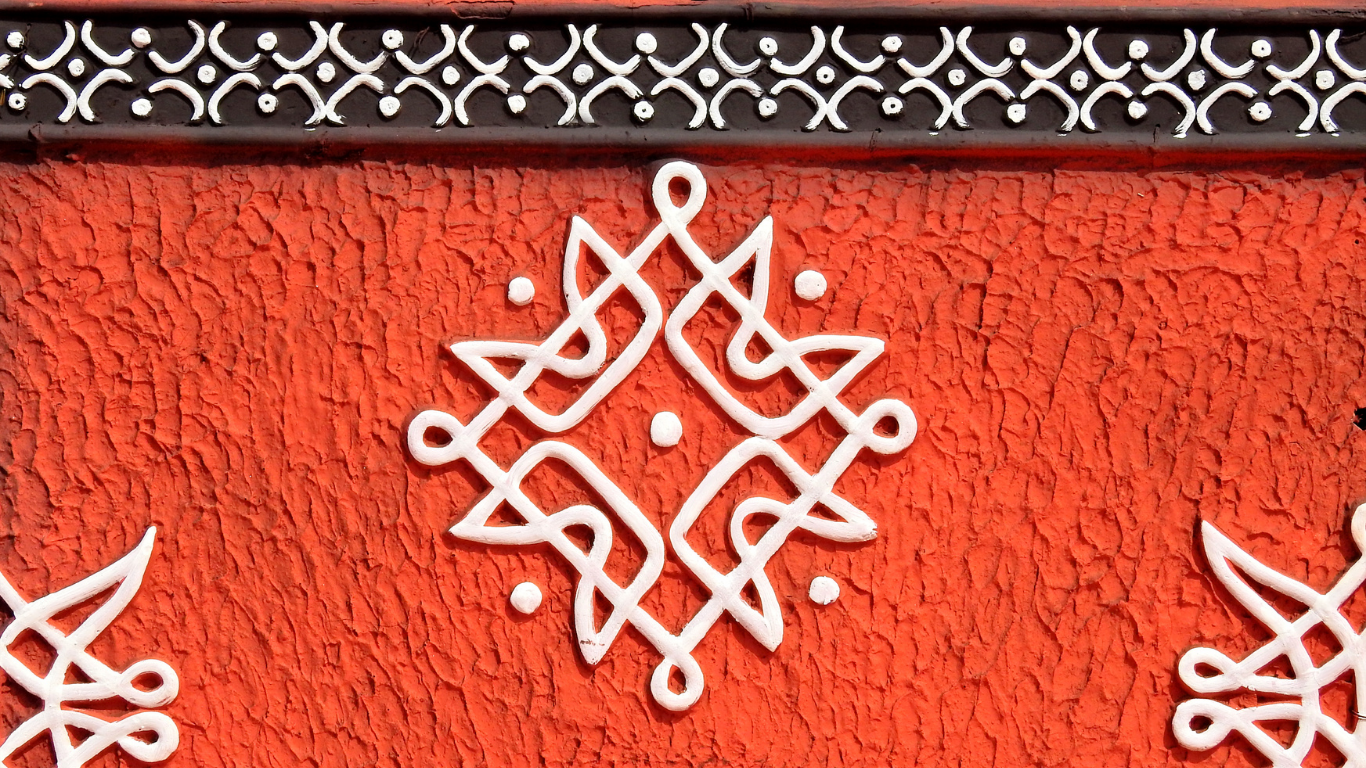
Other than folk traditions, the cultural richness of India’s festivals can be recreated by modern artists through the beautiful, intricate designs of Rangoli. During Diwali, Indian households often feature Hindu Gods and Goddesses in their rangoli art for auspiciousness.
Sacred and divine symbols, geometric patterns representing harmony, characterize the festival art of India. Therefore, this art form is beyond aesthetics, as it continues to celebrate the cultural treasures of the country in their most vivid forms.
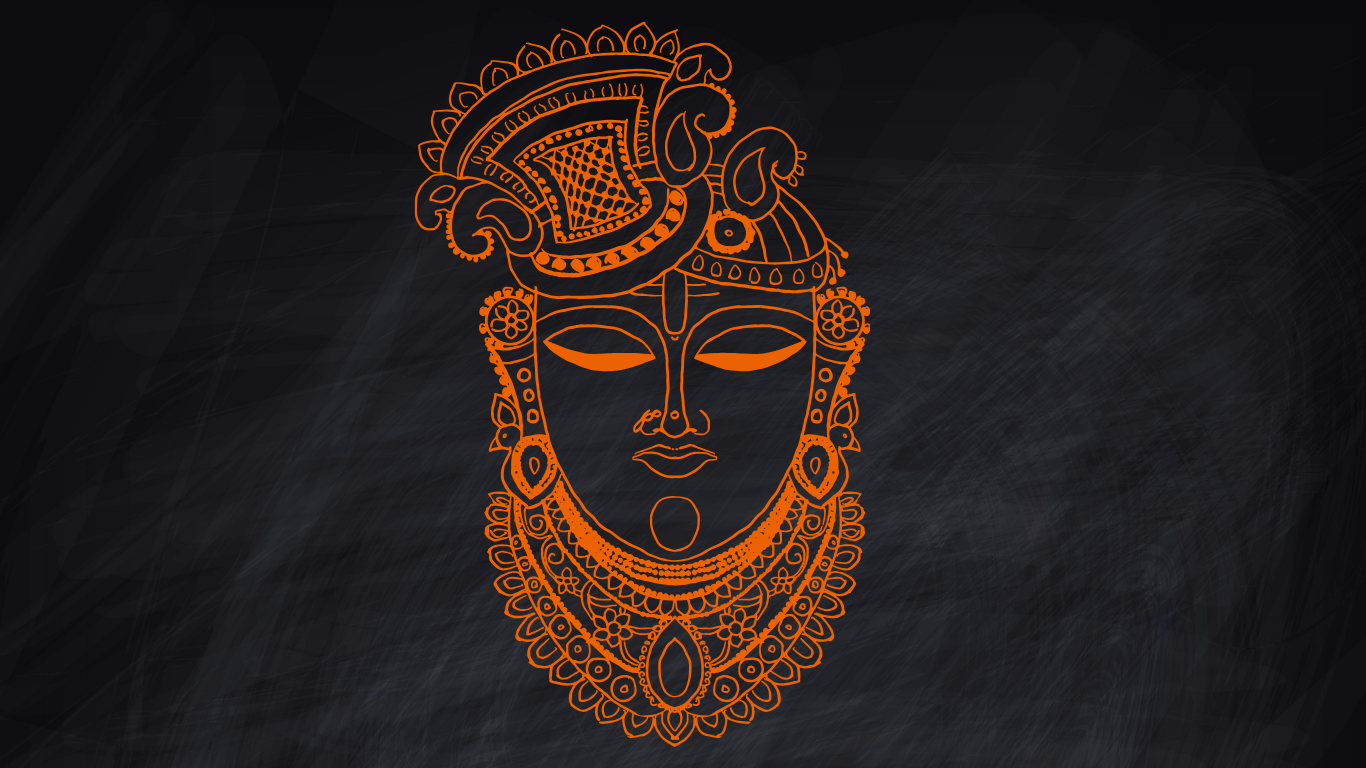
During Janmashtami, which celebrates the birth of Lord Krishna, Pichwai paintings can become a great source for narrating tales of the divine. An artist can get started with paintings of Lord Krishna in a pastoral scene and craft impactful stories by capturing his spiritual essence.
Identity: Tribal artworks are identified with the indigenous communities of India or the states they belong to.
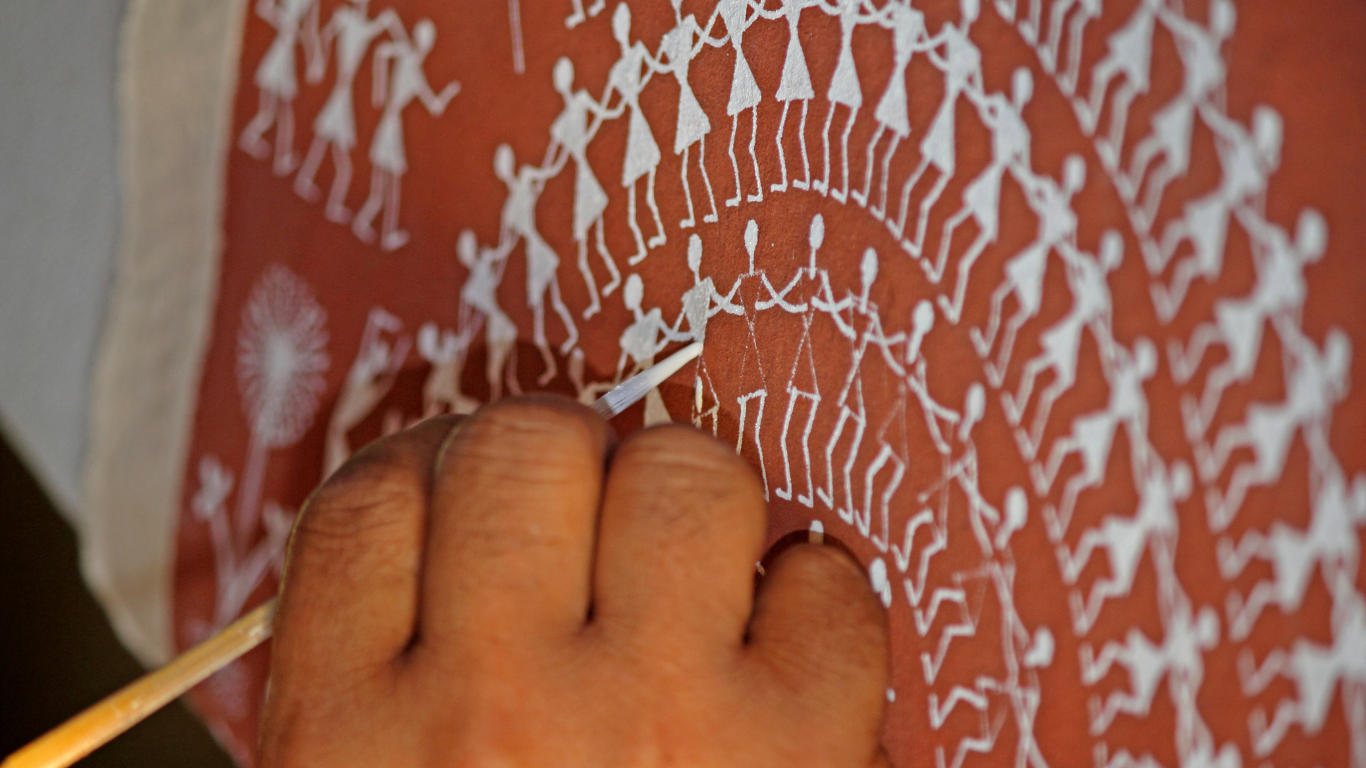
For example, Warli art is a painting style from Maharashtra and Gond painting is associated with the Pardhan Gond community of Madhya Pradesh. The folk traditions, unique customs, and local beliefs are what these communities are identified with. To express these traditions through art, it’s important to deep dive into Indian traditional art and explore its unique styles and techniques. Although different in identity, Indian cultural art has something in common. They are painted in bold hues, rich patterns, motifs and intricate details.
Styles and Techniques of Indian Cultural Art
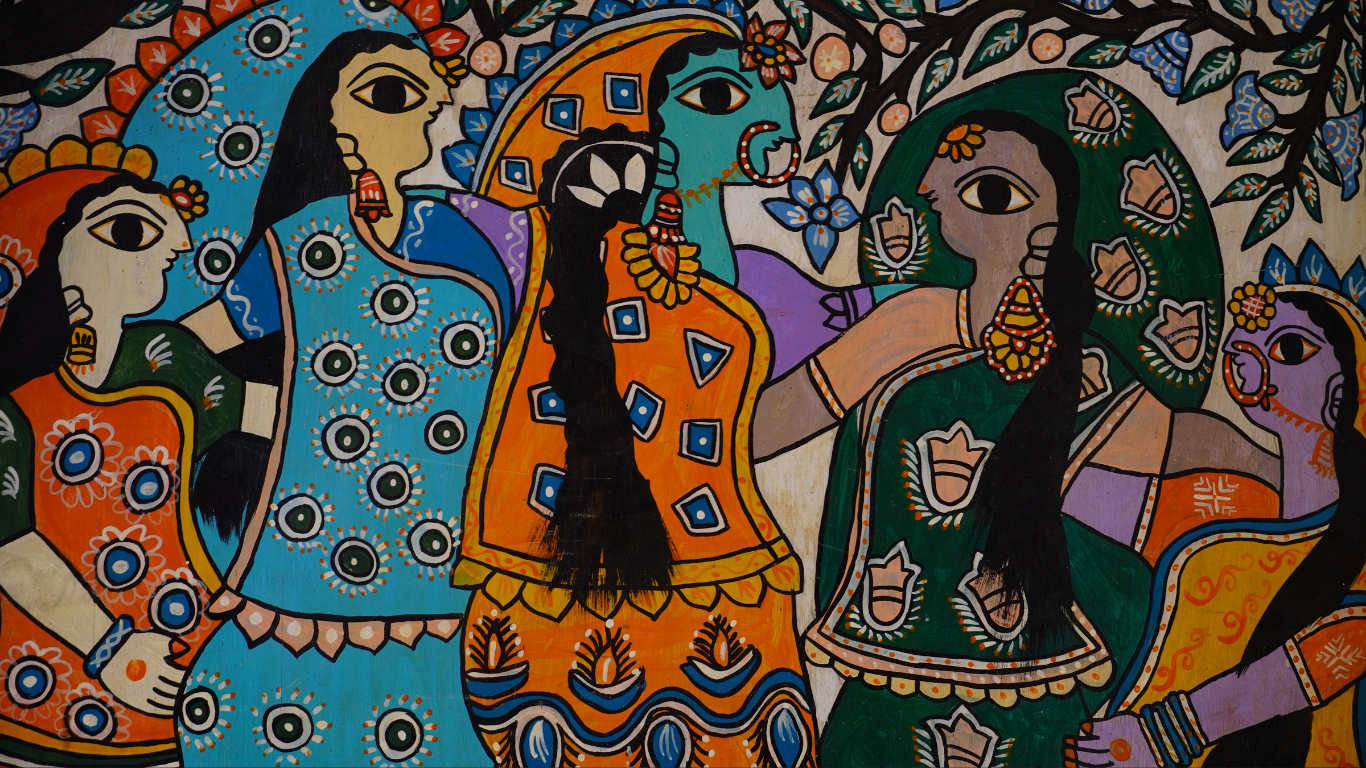
Bold Hues: Madhubani painting uses vibrant colors that make them appear vivid and bold.
Geometric Patterns: Creators of Gond paintings create patterns with geometrical shapes depicting scenes from nature and daily life.
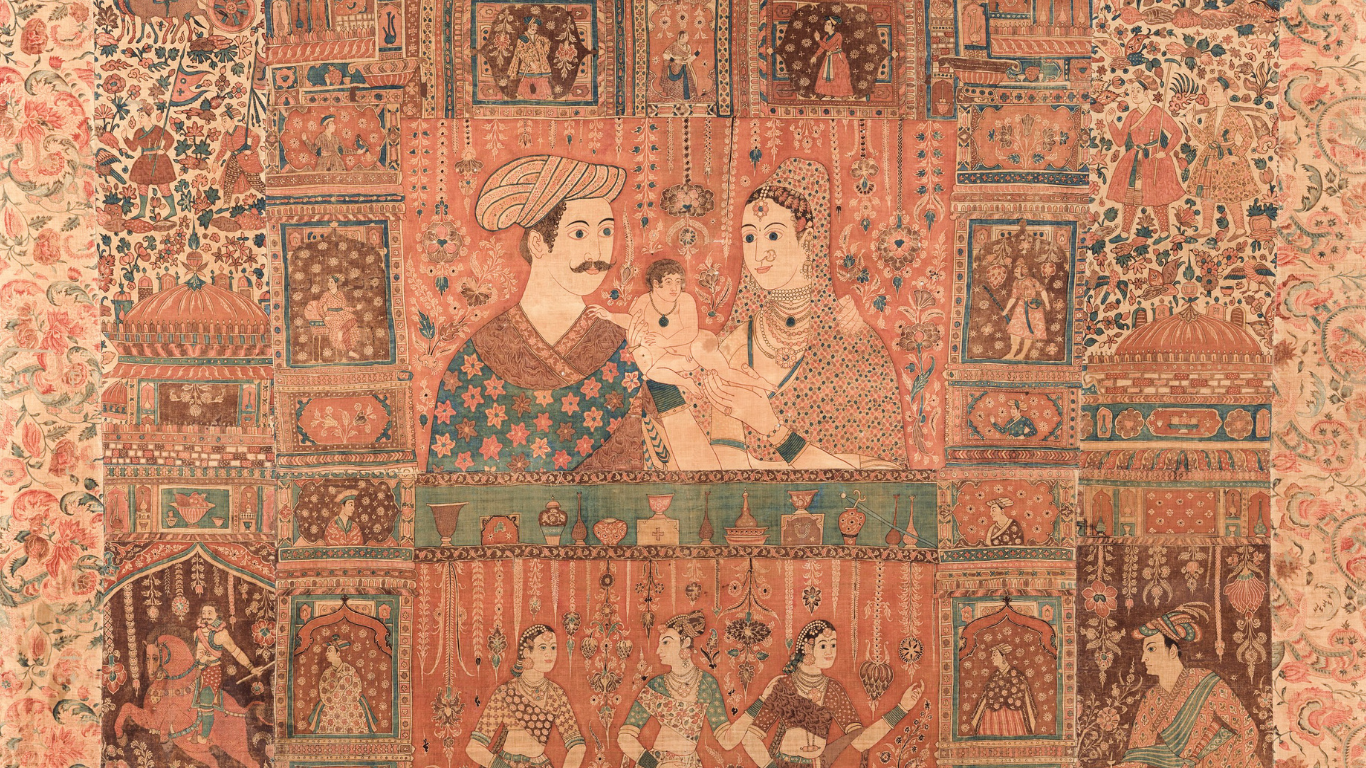
Details: The details in Kalamkari, a painting style of Andhra Pradesh, are intricate, and the mythological scenes of Patta Chitra are equally detailed.
Motifs: Kalamkari also used motifs like those of a peacock, lotus, and Hindu Gods and Goddesses like Lord Krishna and Ganesha.
Natural Paints: Pattachitra, Warli, Pichwai and Phad paintings used natural dyes as paints, which is an eco-friendly choice to make.
How Contemporary Artists Can Reinvoke Interest in Indian Cultural Art?
Blending Indian Traditional Art with Contemporary: Contemporary artists can blend traditional art with modern techniques so that the younger generation takes an interest in India’s rich heritage. The intersection of history with innovation not only pays homage to our oldest traditions but is also relevant to the modern world.
Technological Aid: Many digital artists are coming forward to inspire people with traditional artworks of India. Although not as authentic as the original paintings, these expressions have expanded into new possibilities. When shared across social media, they gain the global gaze and inspire millions, helping the world know about India’s cultural art forms.
Collaboration with Brands: The cultural art of the nation has made its way into corporate branding, and artists are collaborating with brands to fuse cultural aesthetics with modern flavors. Kalamkari, is being adapted as digital prints that leverage digital tools but at the same time retain the original storytelling aspect of the traditional art.
Creating Awareness: Another way to merge cultural paintings with modernity is to highlight the contemporary themes and issues. Whether it’s socio-political context or environmental preservation, modern creators can use folk styles to raise awareness, propelling them to acknowledge the power of traditional artworks in modern storytelling. A little innovation and interest in merging the past with the present can go a long way in preserving the nation’s oldest traditions.
Bottom Line
Art with storytelling has inspired generations, and today, artists are aiming to bring back Indian traditional art in diverse ways. Although Indian folk art painting is experiencing challenges of being eclipsed because of multiple reasons, an artist can revive this old form of painting by following its styles, techniques and themes. To make artworks more relevant and contemporary, a blend of the traditional and modern is the need of the hour to bridge the generational gap, helping creators to deep dive into India’s richest cultural paintings.